Service Robots: Definition, Cost, Leading Brands, and Global Use
In recent years, service robots have transitioned from futuristic concepts in science fiction to practical tools assisting people in daily life, industry, healthcare, and public service. Unlike industrial robots—designed primarily for manufacturing—service robots are created to interact closely with humans, performing tasks that are either repetitive, dangerous, or simply time-consuming. These robots are increasingly present in homes, hotels, hospitals, airports, and retail environments, helping to improve efficiency, safety, and convenience.
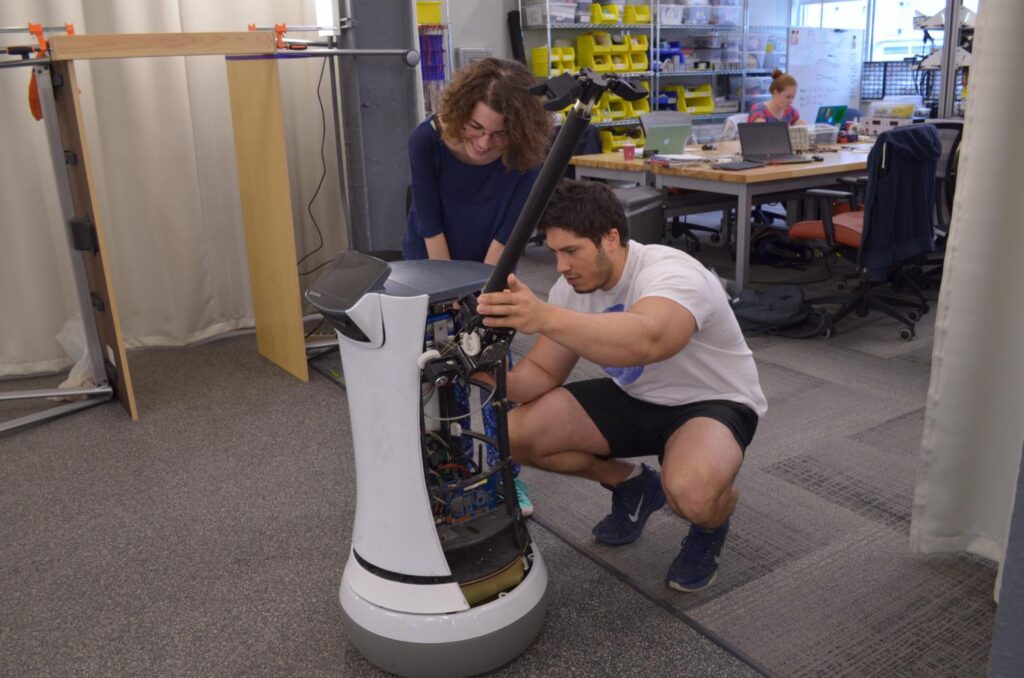
At its core, a service robot is an autonomous or semi-autonomous machine that performs useful tasks for humans or equipment, excluding industrial manufacturing purposes. Service robots can be mobile units that navigate environments, stationary systems that provide assistance in fixed locations, or collaborative robots (cobots) that work alongside humans. Common examples include robotic vacuum cleaners, delivery robots, telepresence robots, and automated customer service kiosks. With advancements in artificial intelligence, sensors, and machine learning, these robots can perceive their surroundings, avoid obstacles, understand natural commands, and adapt to changing environments.
The cost of service robots varies widely depending on their complexity, functionality, and intended use. Consumer-grade service robots, such as robot vacuums and floor cleaners, typically range from $200 to $1,000. Mid-range robots designed for education, elder care support, or telepresence may cost between $1,000 and $10,000. High-end service robots used in healthcare, hospitality, or industrial settings—equipped with advanced navigation systems, AI integration, and robust hardware—can range from $10,000 to over $100,000. For example, a sophisticated hospital robot capable of disinfecting rooms using UV light may cost tens of thousands of dollars, while an autonomous delivery robot designed for campus or hotel use could be priced similarly. Maintenance, software subscriptions, and updates often add ongoing expenses to the initial purchase cost.
Several leading brands and companies dominate the service robot market, each specialising in different applications:
- iRobot: Best known for its Roomba robotic vacuum cleaners, iRobot pioneered affordable home service robots.
- Ecovacs and Roborock: These brands offer advanced home cleaning robots with smart mapping and app control.
- SoftBank Robotics: Makers of Pepper and NAO robots, used for customer interaction, education, and companionship services.
- Boston Dynamics: Though known for dynamic robots like Spot, these machines are increasingly applied in inspection and remote service roles.
- Aethon and Savioke: Providers of autonomous mobile robots for hospitals and hotels, delivering supplies or room service.
- Ubtech and Temi: Developers of telepresence and personal assistant robots used in homes and business settings.
Service robots are being adopted by countries around the world, each adapting these technologies based on local needs, infrastructure, and innovation strategies. In Japan, which faces a rapidly aging population, service robots are widely used in elder care, companionship, and rehabilitation. Japanese companies are leaders in humanoid robotics and invest heavily in integrating robots into daily life.
In South Korea and Singapore, service robots assist in public spaces such as airports, shopping malls, and tourism centers, offering multilingual customer assistance, cleaning, and wayfinding. These countries use robotics to support smart city initiatives and enhance visitor experiences. In the United States and Europe, service robots are common in homes and businesses. Hospitals are increasingly using UV-disinfection robots and autonomous delivery machines to reduce infection risk and improve logistics. Retailers experiment with inventory robots that scan shelves and assist shoppers.
In China, rapid urbanization and technological investment have accelerated service robot adoption in hospitality, logistics, and community health management. Autonomous delivery robots are frequently seen in university campuses, residential complexes, and commercial districts. In developing regions, service robots are gradually emerging through pilot programs in healthcare and retail, although widespread adoption may be limited by cost and infrastructure challenges. In some African and South Asian countries, robots are used in specialized roles such as telemedicine or educational support.
In summary, service robots are reshaping how humans interact with machines across many sectors. With costs ranging from a few hundred dollars for household robots to tens of thousands for advanced commercial systems, and with major brands driving innovation, the global landscape of service robotics continues to expand. As countries embrace automation and AI, service robots are becoming indispensable tools that improve quality of life, efficiency, and safety in communities worldwide.