Telepresence robots are remotely controlled robotic systems that allow a person to be virtually present in a distant location. They typically consist of a mobile base, cameras, microphones, speakers, and a display screen that shows the remote user’s face. Through an internet connection, the user can see, hear, speak, and move around the remote environment in real time, creating a strong sense of physical presence without being there in person.
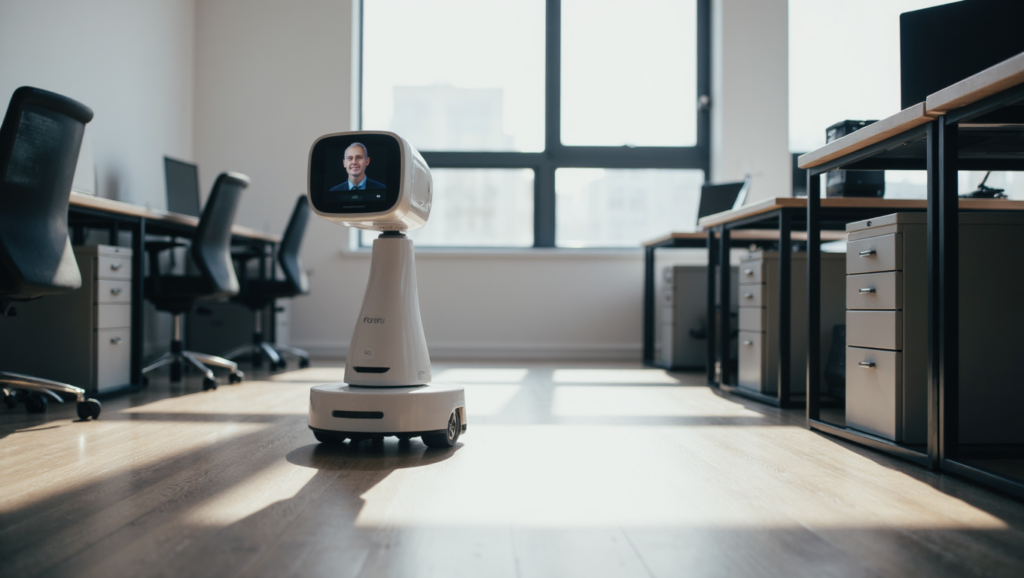
From an engineering perspective, telepresence robots integrate robotics, communication networks, and human–computer interaction. They rely on sensors for vision and navigation, motors for movement, and software for video streaming and control. Some advanced models include obstacle avoidance, autonomous navigation, and height adjustment to interact naturally with people. Reliable networking and low-latency communication are critical to ensure smooth and natural interaction.
Telepresence robots are widely used in healthcare, education, offices, and customer service. In hospitals, doctors can conduct virtual rounds and consult patients remotely. In schools and universities, students who cannot attend physically can participate in classes and move around campus. In workplaces, remote employees can attend meetings and interact socially, making telepresence robots a valuable tool for collaboration, accessibility, and reducing travel needs.