Wheels
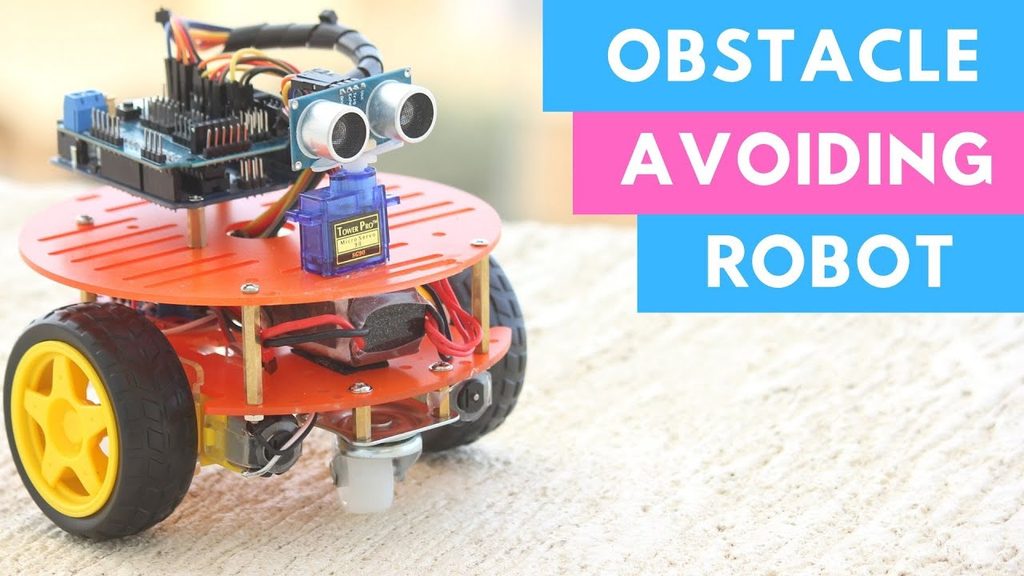
The Wheels are essential mechanical components of a DIY obstacle-avoiding robot, designed to transfer the rotational motion of the DC gear motors into actual robot movement. They are normally fitted directly onto the motor shafts and provide the traction needed for the robot to move across a flat surface. Lightweight plastic wheels with rubberized or textured outer surfaces are commonly used to improve grip and reduce slipping during operation.
The wheels enable the robot to move forward and backward by rotating both drive wheels in the same direction. By controlling the motor direction through the motor-driver module, the robot can reverse or move forward according to the programmed instructions. Proper wheel size and alignment are important because they affect the robot’s speed, stability, load capacity, and ability to move smoothly.
For turning, the two drive wheels can rotate at different speeds or in opposite directions. This differential-drive arrangement allows the robot to turn left, right, or rotate in place, which is particularly useful when avoiding obstacles. The wheels should be securely attached to the motor shafts and positioned correctly with the chassis and caster wheel to maintain balance and reliable movement.